Your Key to Protection
Licensed In VA, MD, DC
"Your Key to Protection"

Call for a FREE quote:
Call for Service:
Call for Service:
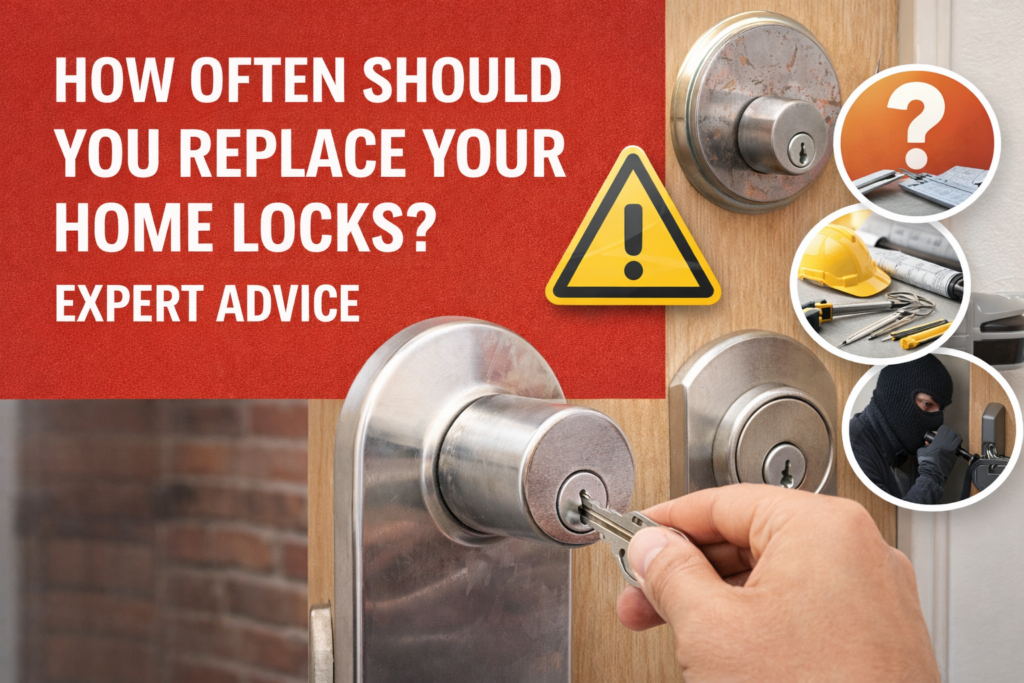
Many homeowners rarely think about their door locks until something goes wrong. However, locks play a critical role in protecting your home, family, and belongings. Over time, locks can wear out, become outdated, or lose their effectiveness.
Replacing your home locks at the right time is an important part of maintaining strong home security. While there is no single rule that fits every situation, locksmith experts recommend certain timelines and circumstances when lock replacement becomes necessary.
In this guide, we will explain how often you should replace your home locks and the common situations where changing them is the safest choice.
One of the most important times to replace your locks is when you move into a new house. Even if the previous owner seems trustworthy, you cannot know how many spare keys may still exist.
Former residents, contractors, cleaning services, or even neighbors might still have copies of the keys. This creates an unnecessary security risk for your family.
By installing new locks or rekeying the existing ones, you ensure that only you and the people you trust have access to your home. This simple step provides peace of mind and immediate control over your property’s security.
Losing your house keys can be stressful, especially if you’re not sure where they were lost. If someone finds them, they may be able to identify your address and gain access to your home.
In this situation, it’s best to replace or rekey your locks as soon as possible. Acting quickly reduces the chances of unauthorized entry.
Many locksmith professionals recommend taking this step even if you believe the keys were lost in a safe place. It’s always better to prevent a potential security risk than deal with a break-in later.
Locks experience daily use, which means they eventually wear out. Over time, internal components can become loose or damaged. You might notice the key sticking, difficulty turning the lock, or a loose handle.
These signs indicate that your lock may no longer function properly. A worn-out lock can fail when you need it most or become easier for intruders to manipulate.
Replacing aging locks ensures your doors remain secure and function smoothly every day.
Even if your locks appear to work fine, experts suggest replacing them every 7 to 10 years. Lock technology improves regularly, and newer models often provide better security features.
Modern locks may include anti-pick mechanisms, stronger materials, and better resistance to forced entry. Upgrading to newer locks helps ensure your home remains protected against evolving break-in techniques.
Regular upgrades also give homeowners the chance to install smart locks or high-security deadbolts for improved safety.
If someone has attempted to break into your home, replacing the locks should be a top priority. Even if the intruder was unsuccessful, the lock may have been weakened during the attempt.
Damage from tools or force can make the lock easier to break in the future. A locksmith can inspect the door, frame, and locking mechanism to determine the safest solution.
Upgrading to stronger locks after a break-in also helps prevent future attempts and restores your sense of security.
Home renovations often involve multiple workers entering and leaving your property. Contractors, electricians, plumbers, and other service professionals may temporarily have access to your home.
Although most workers are trustworthy, it is impossible to know if extra keys were copied or misplaced during the project.
Once renovations are complete, replacing or rekeying the locks ensures that only authorized people can access your home again.
Sometimes the reason to replace your locks isn’t damage or lost keys—it’s simply improving security. Older locks may not provide the same level of protection as modern security systems.
Upgrading to high-security deadbolts or smart locks can greatly improve your home’s safety. These locks often include features such as tamper resistance, key control, and remote access.
Making these upgrades is a proactive way to protect your home before security problems arise.
In some situations, you may not need to replace the entire lock. Rekeying is another option that changes the internal mechanism of the lock so that old keys no longer work.
This process is usually faster and more affordable than installing new locks. It is commonly recommended after moving into a new home or when keys are lost.
A professional locksmith can help determine whether rekeying or full replacement is the best choice for your situation.
Home locks are your first line of defense against unwanted entry, yet they are often overlooked until a problem occurs. Experts recommend replacing or upgrading locks when you move into a new home, lose your keys, experience a break-in attempt, or notice signs of wear and damage.
Even if none of these situations happen, upgrading your locks every few years ensures your home stays protected with modern security technology.
Taking the time to maintain and update your locks is a small investment that can make a big difference in protecting your home and family.